In laboratory research and biopharmaceutical manufacturing, maintaining sterility is critical for successful cell culture applications. Even a minor leak in a Cell Culture Flask can result in contamination, sample loss, inaccurate experimental results, and increased production costs.
For this reason, leak testing has become an essential quality control process in the manufacturing of high-quality Cell Culture Flask products. Reliable leak testing standards help ensure product integrity, transportation safety, and consistent laboratory performance.
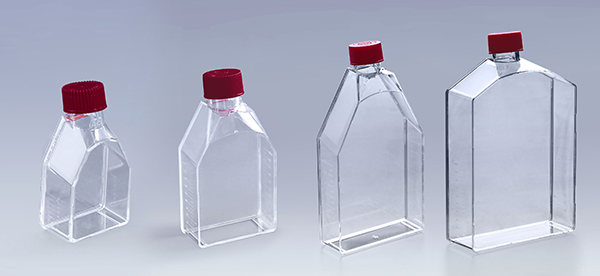
Why Leak Testing Matters for Cell Culture Flasks
A Cell Culture Flask is designed to provide a sterile and stable environment for adherent cell growth. If the flask body, cap, or sealing area contains micro-leaks, external contaminants such as bacteria, fungi, or airborne particles may enter the culture system.
Leakage issues can also lead to:
Media evaporation
CO₂ instability
Cross-contamination risks
Loss of valuable cell samples
Reduced experimental reproducibility
For biotechnology companies, pharmaceutical laboratories, and research institutes, reliable flask sealing performance is essential for maintaining workflow consistency.
Common Leak Testing Methods for Cell Culture Flask Manufacturing
Professional manufacturers implement multiple inspection procedures during production to ensure each Cell Culture Flask meets quality requirements.
1. Pressure Leak Testing
Pressure testing is one of the most widely used methods for evaluating flask sealing integrity.
During testing:
The flask is filled with air or liquid
Internal pressure is applied
The container is monitored for pressure loss or leakage
This method helps identify defects around bottle seams, neck areas, and cap interfaces.
2. Vacuum Leak Testing
Vacuum testing evaluates whether external air can enter the Cell Culture Flask under reduced pressure conditions.
This process is particularly useful for detecting microscopic sealing defects that may not be visible during visual inspection.
3. Dye Penetration Testing
Some manufacturers use dye penetration methods to detect leaks in critical sealing areas.
Colored liquid is introduced around the closure system, allowing inspectors to identify leakage pathways under controlled conditions.
4. Automated Vision Inspection
Advanced production facilities increasingly utilize automated camera systems to inspect:
Flask wall uniformity
Neck molding quality
Cap fit accuracy
Surface defects
Injection molding inconsistencies
Automated systems improve inspection efficiency and reduce human error during large-scale manufacturing.
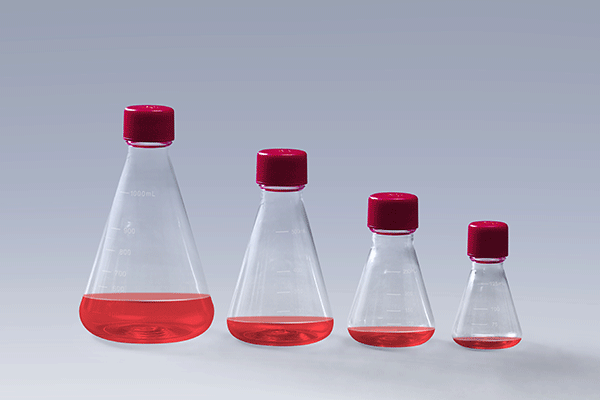
Key Leak Testing Standards for High-Quality Cell Culture Flask Production
Reliable manufacturers follow strict internal and international quality standards to ensure product consistency.
Important factors include:
Material Stability
High-quality Cell Culture Flask products are typically manufactured using medical-grade polystyrene or PETG materials with excellent dimensional stability and crack resistance.
Cap Sealing Performance
Vent caps and plug seal caps must maintain proper sealing under transportation and incubation conditions while supporting gas exchange when required.
Sterility Assurance
Leak testing works together with sterilization validation to minimize contamination risks.
Batch Consistency
Manufacturers should implement routine batch sampling and quality verification procedures to maintain stable product performance.
The Relationship Between Leak Testing and Cell Culture Performance
Leak-free Cell Culture Flask systems contribute directly to stable cell growth conditions.
Proper sealing helps maintain:
Stable pH levels
Controlled CO₂ exchange
Reduced contamination risk
Consistent humidity conditions
Reliable media retention
These factors are particularly important for sensitive cell lines used in:
Vaccine research
Cell therapy development
Monoclonal antibody production
Stem cell research
Biopharmaceutical process development
Challenges in Leak Testing for Large-Scale Production
As laboratory consumable manufacturing scales up, maintaining consistent leak testing quality becomes more complex.
Manufacturers must balance:
High production efficiency
Precision inspection requirements
Automated quality control
Regulatory compliance
Cost management
Modern cleanroom manufacturing environments and automated production lines play an important role in improving inspection reliability.

How FDCELL Ensures Cell Culture Flask Quality
As a professional laboratory consumables manufacturer, FDCELL implements strict quality management procedures throughout the Cell Culture Flask production process.
Our quality control system includes:
Cleanroom manufacturing
Automated production equipment
Leak testing procedures
Sterility validation
Batch traceability management
ISO-certified quality systems
FDCELL provides reliable Cell Flask solutions for research laboratories, biotechnology companies, and pharmaceutical manufacturers worldwide.
Conclusion
Leak testing is a critical part of manufacturing high-quality Cell Culture Flask products. Reliable sealing performance helps protect sterile cell culture environments, improve experimental consistency, and reduce contamination risks.
As the demand for advanced cell culture applications continues to grow, manufacturers must maintain strict leak testing standards and robust quality control systems to support the evolving needs of the life sciences industry.










