HEK293 cells are among the most widely used mammalian cell lines in biotechnology, supporting applications from viral vector production to recombinant protein expression and gene editing. However, like all continuous cell lines, HEK293 cells are susceptible to genetic drift and phenotypic variation during long-term passaging. These changes can significantly affect productivity, transfection efficiency, growth rate, and experimental reproducibility.
This article outlines the key causes of instability in HEK293 cultures and provides practical strategies to maintain consistent cell performance.
1. Understanding Genetic Drift in HEK293 Cells
Genetic drift refers to gradual changes in DNA sequence or chromosomal content over time. For HEK293 cells, drift is driven by several factors:
High proliferation rate, which increases mutation accumulation
Chromosomal instability, a known characteristic of HEK-derived lines
Selective pressure during culture, where certain subpopulations outgrow others
Stress from media conditions or repeated transfection
Drift may lead to variations in productivity, receptor expression, viral packaging efficiency, or morphology.
2. Phenotypic Variation: How It Manifests in HEK293
Phenotypic changes often appear before genotypic differences are detected. Common indicators include:
Altered cell morphology (elongation, clustering, or granularity)
Changes in doubling time
Lower transfection efficiency
Reduced viral or protein expression
Increased sensitivity to shear or chemical stress
Monitoring these changes is essential for maintaining high-performance cell banks.
3. Best Practices to Minimize Drift and Maintain Stability
A. Use a Well-Defined Cell Banking System
Establish Master Cell Banks (MCB) and Working Cell Banks (WCB).
Limit the number of passages from the WCB (typically ≤ 20).
Always return to the WCB when cell performance begins to decline.
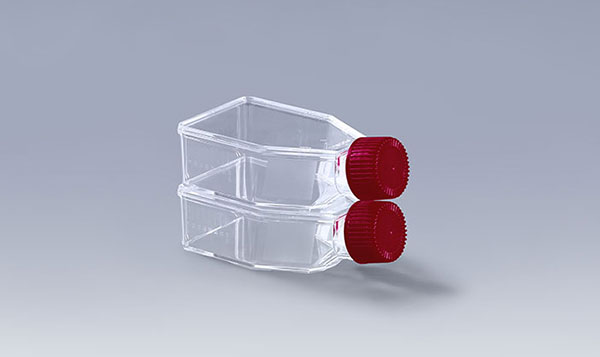
Recommended Medium Volumes for Cell Culture Flasks
B. Maintain Strict Culture Control
Avoid over-confluence; passage cells at 70–90% confluence.
Keep culture conditions consistent (pH, temperature, CO₂, media formulation).
Use validated serum lots or move to serum-free systems to reduce variability.
C. Reduce Selective Pressure
Avoid unnecessary antibiotic use.
Minimize stressful procedures such as repeated high-dose transfections.
Use gentle detachment and avoid over-trypsinization.
D. Monitor Cells Regularly
Implement routine checks:
Morphology under phase-contrast microscopy
Growth rate / doubling time
Transfection performance tests
Mycoplasma screening
Optional genomic stability analysis (karyotyping, STR profiling)
Early detection prevents accidental propagation of altered subpopulations.

4. Avoiding Phenotypic Shift During Expansion
Large-scale expansion for virus production or recombinant expression introduces stress that accelerates drift. Key strategies include:
Seed expansion from low-passage WCB vials
Maintain consistent vessel type (e.g., flask → cell factory → bioreactor)
Control oxygenation and shear to avoid stress-induced mutations
Maintain stable nutrient supply (glutamine, glucose, amino acids)
Evaluate performance at each scale-up stage
These measures help ensure that HEK293 cells maintain productivity throughout the manufacturing workflow.
5. When to Replace or Re-Bank HEK293 Cells
Replace or re-bank if you observe:
Persistent slow growth
Consistently low transfection efficiency
Loss of viral vector packaging ability
Abnormal morphology across multiple passages
Recurrent contamination or stress sensitivity
Re-banking ensures long-term reproducibility in research and manufacturing settings.
Conclusion
Maintaining the genetic and phenotypic stability of HEK293 cells is essential for obtaining reliable and high-yield results in both scientific research and biopharmaceutical production. By implementing structured cell banking, minimizing culture stress, and performing routine monitoring, laboratories can significantly reduce genetic drift and preserve the robust performance that has made HEK293 one of the most important cell lines in modern biotechnology.










