When purchasing cell culture flasks, buyers often focus on flask size, surface treatment, cap type, sterility, packaging, and price. However, for laboratories, biopharmaceutical companies, research institutions, and distributors, batch traceability is also an important part of product quality management.
A clear lot number allows users to connect a specific shipment of sterile cell culture flasks with its product information, quality documents, packaging records, and supplier communication. If an abnormal result or product defect occurs, traceability helps identify which products may be affected and supports a more efficient investigation.
Batch traceability does not guarantee cell culture performance by itself. It provides the information needed to review product history, compare different lots, and make better purchasing and quality decisions.

What Is Batch Traceability?
Batch traceability is the ability to identify a product lot and connect it with relevant production, inspection, sterilization, packaging, and release information maintained by the manufacturer.
For cell culture flasks, traceability may involve:
Product name and catalogue number
Flask size and configuration
Lot or batch number
Production or release information
Sterilization information, where applicable
Packaging configuration
Quality inspection records
Certificate of Analysis or related documents
Shipment and customer order information
The exact records available may vary by manufacturer and product. Buyers should therefore confirm what information can be traced before approving a supplier for bulk or recurring orders.
1. Matching Products with Quality Documents
A lot number helps buyers confirm that the quality documents they receive correspond to the products delivered.
For example, the lot number shown on the inner package or outer carton should be consistent with the lot information shown on the applicable Certificate of Analysis or other batch-related documents.
Without a clear lot number, it may be difficult to determine whether a document applies to the actual shipment. This can create problems during incoming inspection, supplier approval, internal audits, or customer enquiries.
For distributors, accurate document matching is especially important because end users may request product information after the products have already entered regional inventory.
2. Supporting Quality Investigations
Cell culture results can be affected by many variables, including cell condition, passage number, medium, serum, seeding density, incubator conditions, operator handling, and the culture vessel.
If users observe unusual cell attachment, poor spreading, uneven confluence, abnormal morphology, packaging damage, or cap-related problems, the lot number provides a starting point for investigation.
With traceable batch information, the buyer and supplier can review:
Whether other products from the same lot show similar issues
Whether the issue is limited to one carton or shipment
Whether different lots perform differently
Whether packaging or transport damage was involved
Whether the product configuration matches the order
Which quality records are associated with the affected lot
This does not automatically prove that the flask caused the problem, but it helps narrow the investigation and avoid unnecessary assumptions.
3. Comparing Performance Between Lots
For TC-treated cell culture flasks, users may need to evaluate whether different production lots provide comparable performance.
A practical lot comparison can include:
Initial cell attachment
Cell spreading and morphology
Growth distribution
Confluence development
Cell viability
Final cell yield
Harvest and detachment performance
The same cell line, medium, seeding density, passage number, incubation conditions, and observation schedule should be used as far as practical.
Recording the flask lot number in the experiment allows users to connect culture results with the actual products tested. Without this information, it becomes difficult to determine whether a performance change is associated with a new flask lot or another culture variable.
4. Improving Incoming Inspection
Batch traceability also supports incoming inspection. When a shipment arrives, the receiving team can check whether the product, packaging, quantity, and lot information match the purchase order and related documents.
Incoming inspection may include:
Confirming the correct flask size
Checking TC-treated or non-treated configuration
Checking vented cap or plug seal cap
Inspecting packaging integrity
Recording lot numbers
Confirming carton quantities
Matching the product with the relevant documents
For bulk orders, different lots should be identified separately rather than mixed without records. This makes future inventory control and quality review easier.
5. Managing Inventory and Distribution
For distributors, batch traceability helps manage products after they leave the manufacturer.
Clear lot identification supports:
Warehouse inventory records
First-expiry or first-in-first-out management
Customer shipment records
Complaint handling
Document requests
Product withdrawal or recall activities, if required
Repeat purchasing and stock planning
If products from different lots are mixed without clear records, it may become difficult to identify which customers received a specific batch. Maintaining lot information through the distribution chain reduces this risk.
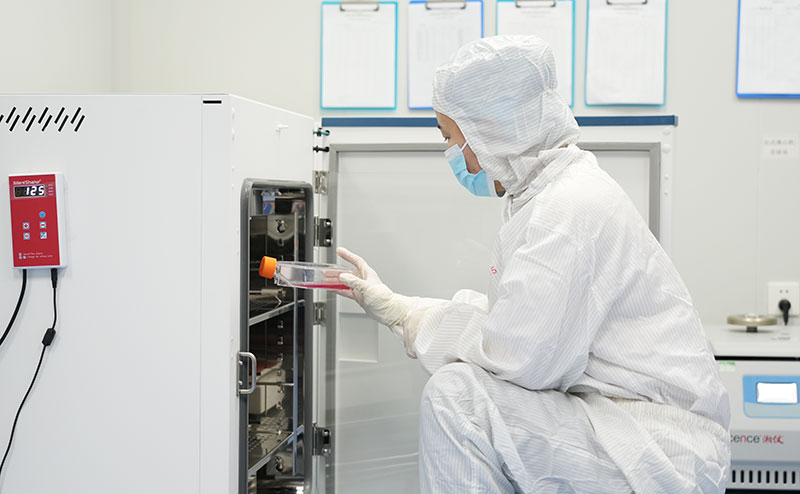
quality control and certificates
6. Evaluating Packaging and Label Accuracy
Traceability depends on readable and consistent labeling. The lot number should remain identifiable throughout transportation, storage, and use.
Buyers should check whether the relevant information is shown clearly on the packaging, such as:
Product name
Catalogue number
Flask size
Surface treatment
Cap type
Lot number
Sterility status
Storage or shelf-life information, where provided
The inner package, outer carton, shipping documents, and quality documents should not contain conflicting product or lot information.
If a label is missing, damaged, or unreadable, the product may no longer be easy to connect with its quality records.
7. Supporting Supplier Qualification
Batch traceability is an important consideration when qualifying a cell culture flask supplier.
Before approving a supplier, buyers can ask:
Are lot numbers printed on the product packaging?
Can the supplier provide lot-related quality documents?
How are production and packaging records maintained?
Can complaints be investigated by lot number?
Can different production lots be supplied for comparison testing?
How are packaging or labeling changes controlled?
How long are relevant records retained?
A supplier does not need to disclose confidential manufacturing details, but it should be able to explain how products are identified and how quality issues can be traced.
8. Supporting Repeat Purchasing
For routine laboratory use or long-term supply agreements, buyers may need to compare new shipments with previously approved products.
Recording the lot number allows purchasing and quality teams to identify:
Which lots have already been tested
Which lots were used successfully
Whether a new shipment contains a different lot
Whether additional evaluation is needed
Which documents should be requested
Whether customer feedback is associated with a specific batch
This is particularly useful for sensitive cell lines, established culture processes, and customers switching from another flask supplier.
9. What Buyers Should Record
The amount of information recorded depends on the buyer’s application and quality system. A basic record for sterile cell culture flasks may include:
Supplier name
Product name
Catalogue number
Flask size
Surface and cap configuration
Lot number
Quantity received
Receipt date
Packaging condition
Related quality documents
Internal test or release status
For cell-based evaluation, the lot number should also be recorded with the cell line, passage number, medium, seeding density, culture dates, observations, and final results.
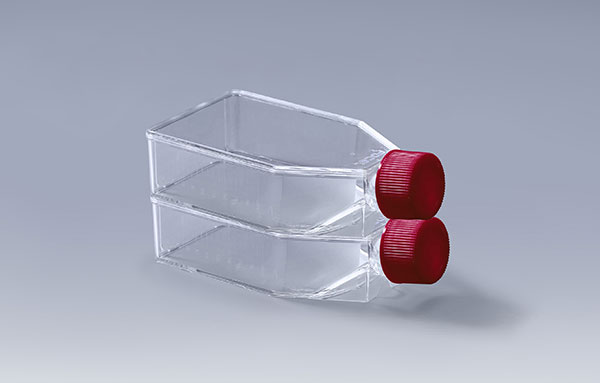
T75 TC-treated Cell Culture Flask
Batch Traceability and Cell Culture Performance
Batch traceability should be evaluated together with flask performance, sterility, packaging integrity, surface treatment, and documentation.
A traceable product can still require biological testing, while a product that performs well in one experiment still needs clear identification for long-term use. The goal is to combine practical cell culture evaluation with reliable product records.
FDCELL supplies sterile cell culture flasks in T25, T75, T175, and T225 formats, with TC-treated and non-treated surfaces and different cap options available.
For laboratory, biopharmaceutical, distributor, bulk supply, and OEM/private label projects, customers can confirm product configuration, packaging, labeling, documentation, and batch traceability requirements before ordering.
Recording the lot number during receiving, testing, storage, and use helps create a clearer connection between the product, its documentation, and actual cell culture performance.










