In cell culture applications, selecting the right cell culture flask is critical for achieving optimal cell growth and reproducibility. Different cell types have unique requirements, and choosing the wrong flask can lead to poor attachment, low viability, or inconsistent results.
In this guide, we will explore how to choose the most suitable cell culture flask based on cell type and application.

1. Adherent Cells vs Suspension Cells
The first step in selecting a flask is understanding your cell type.
Adherent Cells
Adherent cells such as Vero, HEK293, and CHO require a treated surface for proper attachment.
Recommended features:
Tissue culture (TC) treated surface
High optical clarity
Uniform growth surface
Suspension Cells
Suspension cells like hybridoma or certain CHO lines grow freely in the medium.
Recommended features:
Non-treated surface
Vented caps for gas exchange
Compatibility with shaking incubation
2. Surface Treatment Matters
Surface treatment plays a key role in cell attachment and growth.
TC-treated flasks improve cell adhesion
Consistent surface treatment ensures reproducibility
Ideal for sensitive or primary cells
At FDCELL, all cell culture flasks undergo strict surface treatment control to ensure consistent performance across batches.
3. Flask Size and Working Volume
Choosing the right size affects both efficiency and scalability.
Common options include:
T25: Small-scale experiments
T75: Routine cell culture
T175/T225: Large-scale expansion
Using the correct working volume ensures proper gas exchange and nutrient availability.
4. Vented vs Sealed Caps
Cap design impacts oxygen transfer and contamination risk.
Vented caps: Ideal for CO₂ incubators
Sealed caps: Suitable for transport or short-term culture
5. Sterility and Quality Control
Reliable suppliers ensure:
Sterility assurance (SAL 10⁻⁶)
Leak testing
100% visual inspection
Consistent quality is essential for biopharma and research applications.
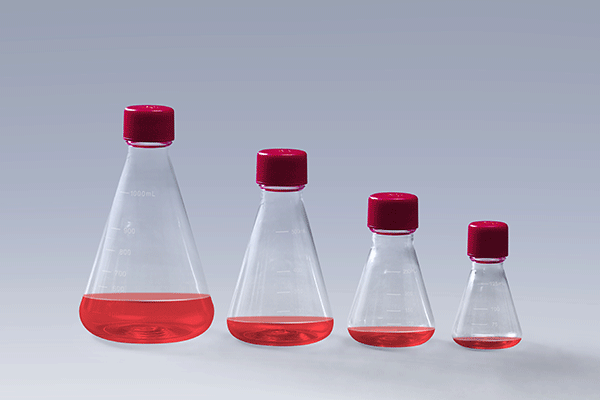
6. Choosing a Reliable Supplier
When selecting a supplier, consider:
Manufacturing standards (ISO certification)
Cleanroom production
Batch consistency
Supply stability
FDCELL provides high-quality cell culture consumables manufactured in a certified cleanroom environment with strict quality control processes.
Conclusion
Selecting the right cell culture flask is not just about size—it involves understanding your cell type, application, and quality requirements.
By choosing the correct flask, you can significantly improve cell growth performance and experimental reliability.
If you are looking for a reliable supplier of cell culture flasks, feel free to contact us for more information.










