Selecting the appropriate Erlenmeyer Shake Flask size is a crucial step in optimizing cell culture performance in biopharmaceutical and life science laboratories. Whether working with mammalian cells, bacteria, or yeast, the choice of flask volume directly affects oxygen transfer, mixing efficiency, and overall cell growth. Using the wrong size can lead to poor yields, inconsistent results, or unnecessary costs.
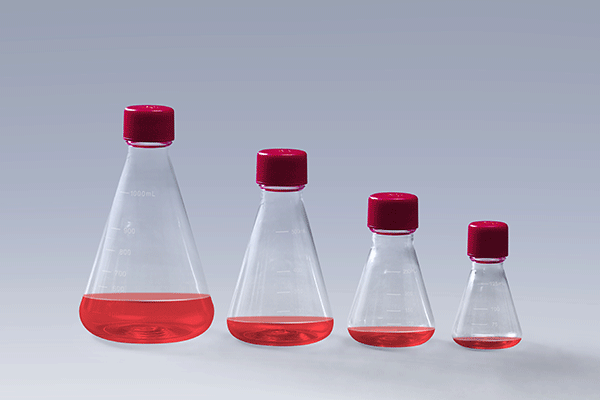
Why Flask Size Matters
Shake flasks are not simply containers—they are dynamic culture systems. Their size determines the ratio between working volume and air space, which is essential for gas exchange. Adequate oxygen transfer is particularly important for suspension cultures and high-density cell growth.
A flask that is too small may limit aeration, while one that is too large may reduce process efficiency or waste valuable incubator space. Therefore, selecting the right size ensures a balance between culture performance and operational efficiency.
Recommended Working Volume Guidelines
A general rule in shake flask culture is to fill the flask to 20%–30% of its total volume. This provides sufficient headspace for oxygen transfer and effective mixing.
For example:
125 mL flask → 25–40 mL working volume
250 mL flask → 50–75 mL working volume
500 mL flask → 100–150 mL working volume
1 L flask → 200–300 mL working volume
2 L flask → 400–600 mL working volume
Maintaining this ratio helps ensure optimal cell growth conditions across different applications.
Factors to Consider When Choosing Flask Size
1. Cell Type and Culture Requirements
Different cells have different oxygen and nutrient demands. Mammalian cells (e.g., CHO, HEK293) are more sensitive and typically require gentle mixing and controlled aeration, while microbial cultures often demand higher oxygen transfer rates.
2. Shaker Capacity and Speed
The orbital shaker’s speed (rpm) and orbit diameter influence mixing and oxygen transfer. Larger flasks may require higher shaking speeds or larger orbit diameters to maintain proper agitation.
3. Experimental Scale
For early-stage research or screening, smaller flasks (125–250 mL) are ideal. For process development or higher-volume culture, larger flasks (1–5 L) provide better scalability.
4. Flask Design
Baffled flasks enhance mixing and oxygen transfer, allowing slightly higher working volumes compared to non-baffled (plain-bottom) flasks.
5. Incubator Space Efficiency
Larger flasks occupy more space, reducing the number of parallel experiments that can be conducted. Choosing the right size helps maximize incubator utilization.
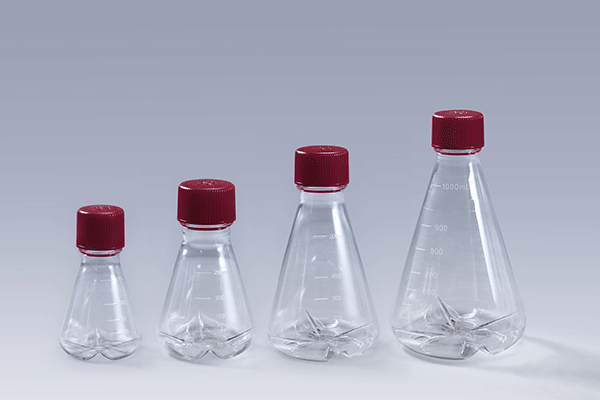
User Guide for Erlenmeyer Shake Flask
Common Mistakes to Avoid
Overfilling the flask: reduces oxygen transfer and can lead to cell stress
Using oversized flasks for small volumes: wastes space and may affect mixing efficiency
Ignoring flask design (baffled vs. non-baffled): can impact experimental outcomes
Not adjusting shaking parameters: different flask sizes require different conditions
Practical Application Tips
Start with smaller flasks during method development, then scale up gradually
Keep working volume consistent when comparing results across experiments
Validate performance when switching flask sizes or suppliers
Use vented caps or breathable membranes for aerobic cultures
Conclusion
Choosing the right shake flask size is essential for achieving consistent and efficient cell culture results. By considering working volume ratios, cell type, shaker conditions, and experimental goals, laboratories can significantly improve productivity and reproducibility.
A well-matched flask size not only enhances cell growth but also supports smooth scale-up and reliable bioprocess development—making it a small decision with a big impact.










