As biopharmaceutical manufacturing increasingly adopts closed-system workflows, tubing assemblies have become an essential component of Cell Factory operations. While the Cell Factory provides the surface area required for large-scale adherent cell expansion, the tubing assembly enables sterile media transfer, cell inoculation, medium exchange and harvesting.
Selecting the appropriate tubing assembly is not simply about choosing compatible tubing. It also involves evaluating materials, connectors, filters and process requirements to ensure reliable, contamination-controlled production.
This guide explains the key factors to consider when choosing a tubing assembly for Cell Factory applications.
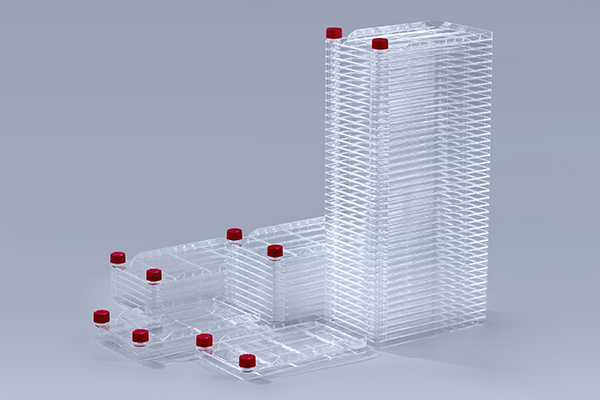
Cell Seeding Density and Medium Volume Guide
Why Tubing Assemblies Matter
Traditional Cell Factory operations often involve multiple manual transfer steps, increasing the possibility of contamination and process variability.
A Closed System Cell Factory minimizes these risks by integrating sterile tubing assemblies directly with the culture vessel, allowing fluid transfer without exposing the culture environment.
Typical applications include:
Vaccine manufacturing
Viral vector production
Cell therapy process development
Biopharmaceutical manufacturing
Large-scale adherent cell culture
Compared with open workflows, closed systems help improve process consistency while reducing manual intervention.
1. Select the Appropriate Tubing Material
The tubing material directly affects flexibility, chemical compatibility and sterilization performance.
Common options include:
Silicone Tubing
Silicone tubing is widely used because of its flexibility, transparency and compatibility with peristaltic pumps. It is suitable for routine media transfer and harvesting applications.
TPE Tubing
Thermoplastic elastomer (TPE) tubing supports sterile welding and sealing, making it a preferred choice for fully closed manufacturing processes used in GMP production.
The best material depends on the manufacturing process, fluid transfer method and equipment compatibility.
2. Choose Compatible Connectors
Connectors are equally important for maintaining a sterile fluid path.
Depending on the workflow, a tubing assembly may include:
Sterile quick connectors
Luer connectors
CPC connectors
Hose barbs
Bottle adapters
Media bag connectors
Choosing connectors that integrate with existing media bags, pumps and transfer systems can simplify installation and reduce operator error.
3. Consider Vent Filters
Many closed-system workflows require sterile gas exchange while preventing microbial contamination.
Integrated vent filters can help:
Maintain airflow during media transfer
Reduce contamination risks
Support pressure balance
Improve process reliability
Filter selection should match the intended operating conditions and process requirements.
4. Evaluate Cell Factory Compatibility
Not all tubing assemblies are designed for the same Cell Factory configuration.
When selecting a supplier, confirm compatibility with the required vessel size.
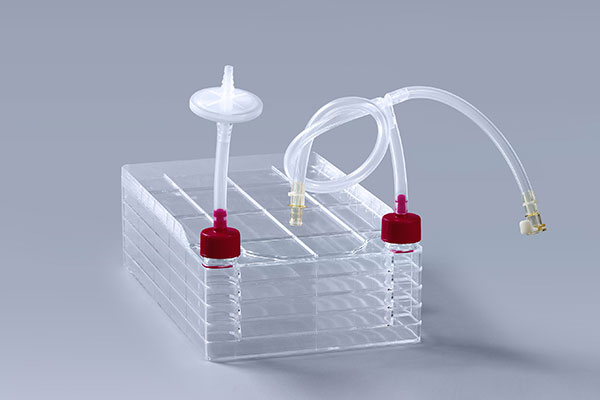
FDCELL tubing assemblies are available for multiple Cell Factory configurations, including:
1 Layer
2 Layer
5 Layer
This flexibility allows customers to scale from laboratory process development to commercial manufacturing while maintaining a consistent closed-system workflow.
5. Support Future Process Scale-Up
A tubing assembly should not only meet current production requirements but also support future expansion.
As production increases, manufacturers often move from smaller Cell Factory systems to larger multilayer configurations.
Selecting standardized tubing assemblies across different vessel sizes can help simplify:
Process transfer
Operator training
Validation
Inventory management
Manufacturing consistency
6. Customization Is Often Necessary
Every manufacturing process is different.
Many customers require customized tubing assemblies based on their production equipment and operating procedures.
Typical customization options include:
Tubing material
Tube length
Connector type
Vent filter configuration
Clamp position
Media bag connection
Bottle connection
OEM labeling and packaging
Working with a supplier capable of providing customized assemblies can reduce engineering modifications later in the project.
Quality Matters Beyond the Tubing
A tubing assembly is only as reliable as the manufacturing process behind it.
When evaluating suppliers, consider whether they provide:
Sterile manufacturing
Batch traceability
Leak testing
Quality inspection
Material documentation
Change control support
Consistent manufacturing quality helps ensure reproducible performance throughout the product lifecycle.
Why Choose FDCELL Closed System Cell Factory Solutions?
FDCELL provides Closed System Cell Factory solutions designed for scalable adherent cell culture.
Features include:
Sterile tubing assemblies
Multiple Cell Factory configurations
Customized connector solutions
Silicone and TPE tubing options
Batch traceability
OEM customization support
Whether you are developing a pilot-scale process or expanding commercial production, FDCELL can help configure tubing assemblies to match your workflow requirements.
Conclusion
Choosing the right tubing assembly is an important part of establishing an efficient and reliable Closed System Cell Factory workflow.
By evaluating tubing materials, connectors, filters, compatibility and customization options, manufacturers can improve process consistency while supporting aseptic fluid transfer and future scale-up.
If you are evaluating a new Cell Factory system or upgrading an existing process, selecting a properly designed tubing assembly can contribute to a safer and more efficient manufacturing workflow.










