When purchasing sterile cell culture flasks, buyers usually focus on flask size, surface treatment, cap type, and cell culture performance. However, packaging integrity is equally important because it protects the flask from contamination and physical damage before use.
A correctly manufactured and sterilized flask may no longer be suitable if its package is torn, punctured, incompletely sealed, wet, or damaged during transportation. For laboratories, biopharmaceutical companies, and distributors, packaging should therefore be included in incoming inspection and supplier evaluation.

cell culture flask
Why Packaging Integrity Matters
The packaging of a sterile cell culture flask has several functions:
Protecting the product from contamination
Maintaining the sterile condition before opening
Preventing cracks, deformation, and scratches
Protecting caps and vent filters
Keeping labels and lot numbers readable
Supporting safe storage and transportation
Packaging integrity does not directly determine cell growth, but damaged packaging may expose the product to conditions that affect sterility, handling, and confidence in culture results.
Common Packaging Problems
Sterile cell culture flask packaging should be inspected for visible defects before use. Common problems include:
Open or incomplete seals
Tears, punctures, or cuts
Crushed inner bags or cartons
Moisture or staining
Unreadable or missing labels
Incorrect product or lot information
Cracked or deformed flasks
Loose caps or damaged vent filters
If the inner sterile package is damaged, the product should not automatically be considered suitable for use. It should be separated and evaluated according to the buyer’s internal procedures.
How Transport Damage Can Affect the Flask
Bulk orders may pass through several stages of loading, international shipping, customs inspection, warehousing, and local delivery. During this process, cartons may be compressed, dropped, or repeatedly moved.
Poor transport protection may cause:
Flask body deformation
Scratches on the observation surface
Damage to the neck or cap
Displacement of vented caps
Damage to filter membranes
Particles caused by friction
Loss of packaging seal integrity
For larger formats such as T175 and T225 flasks, deformation may also affect flask flatness and liquid distribution. Buyers should inspect representative products if the shipping carton shows significant damage.
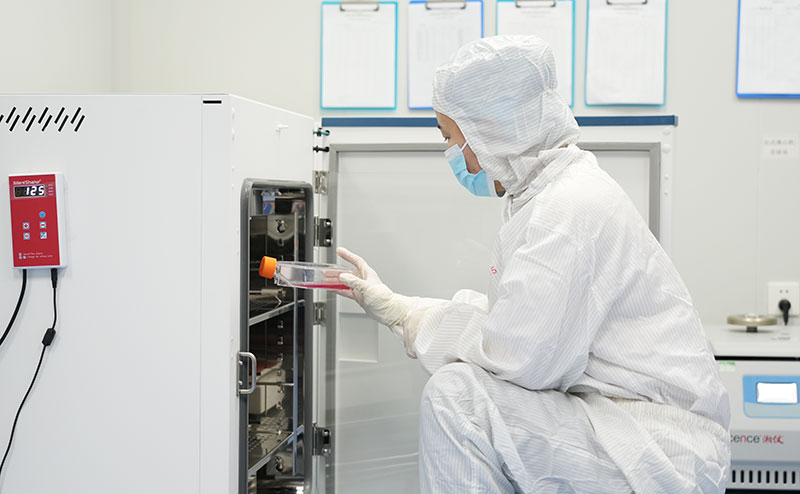
quality control and certificates
Incoming Inspection Before Use
Incoming inspection should begin with the outer carton and continue to the inner packaging and product.
Buyers can check:
Outer carton
Crushing, impact, or moisture damage
Re-taping or signs of opening
Correct product and quantity
Clear item and lot information
Inner packaging
Continuous and complete seals
No tears, punctures, or contamination
Clear sterile marking
Matching product and lot labels
Cell culture flask
No cracks, scratches, or deformation
Correct cap configuration
Intact vent filter, where applicable
Clear growth surface
Correct T25, T75, T175, or T225 format
If defects are found, photographs, product numbers, lot numbers, carton information, and affected quantities should be recorded before contacting the supplier.
Packaging Questions for Bulk Buyers
Before ordering cell culture flasks in bulk, buyers should confirm the packaging format with the manufacturer.
Important questions include:
Are the flasks individually packed or supplied in multipacks?
How many units are packed per bag, box, and carton?
Is the packaging suitable for international transportation?
Are lot numbers shown on both inner and outer packaging?
What storage conditions are recommended?
Can the supplier provide customized labels or cartons?
Is OEM or private label packaging available?
How are packaging complaints and damaged shipments handled?
For distributors, packaging should also be evaluated for inventory management, resale, barcode requirements, and customer identification.
Packaging and Batch Traceability
Labels should remain clear and readable throughout storage and transportation. Buyers need to identify the product size, catalogue number, surface type, cap type, lot number, and sterility status.
If lot information is missing or damaged, it may become difficult to match the product with its COA, sterility information, or other quality documents.
Reliable packaging therefore supports:
Incoming inspection
Inventory management
Quality investigations
Customer complaints
Repeat purchasing
Batch traceability
Packaging Integrity and Cell Culture Performance
Packaging integrity should be considered together with product quality. An intact package does not replace cell culture testing, and a good cell culture flask cannot compensate for damaged sterile packaging.
When qualifying a new supplier, buyers should evaluate:
Packaging integrity
Sterility information
TC-treated surface performance
Flask flatness and clarity
Cap and filter condition
Batch traceability
Product documentation
Cell attachment and growth performance
For critical applications, sample testing under actual culture conditions is recommended before placing a large order.
FDCELL Sterile Cell Culture Flask Packaging
FDCELL supplies sterile cell culture flasks in T25, T75, T175, and T225 formats, with TC-treated and non-treated surfaces and different cap options available.
For bulk, distributor, and OEM/private label projects, customers can confirm packaging format, carton quantity, labeling, batch traceability, and documentation requirements before order placement.
Inspecting both the sterile package and the flask before use helps reduce contamination risk and supports more reliable cell culture workflows.










