Media transfer is a routine step in cell culture and biopharmaceutical laboratories, but every time a container is opened, connected, poured, or sampled, there is an opportunity for contamination to enter the workflow.
Even when sterile culture media and a sterile Media Bottle are used, poor handling practices during transfer can compromise the contents. Understanding where contamination risks occur—and how to control them—is therefore essential for reliable laboratory operations.
Here are several practical ways to reduce contamination during media transfer.
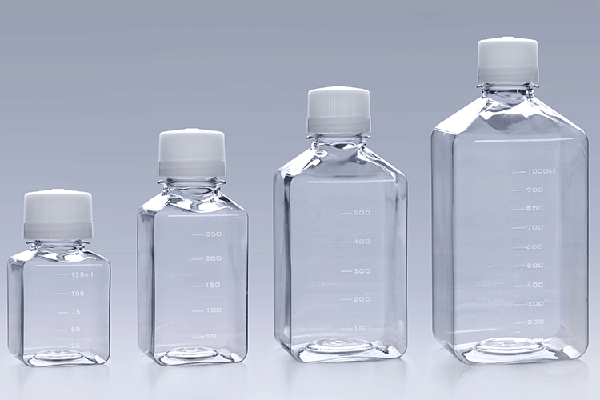
1. Start with a Suitable Media Bottle
Contamination control begins before the transfer itself.
A Media Bottle used for culture media, buffers, sera, or other sensitive solutions should have a reliable closure system and be suitable for the intended storage and handling conditions.
Before use, check the bottle for:
Damaged packaging
Cracks or visible deformation
Loose or damaged closures
Signs of leakage
Unexpected particles or contamination
For sterile applications, the packaging should remain intact until the bottle is introduced into the appropriate controlled working environment.
2. Minimize the Time the Bottle Remains Open
An open bottle creates a direct exposure route between the stored liquid and the surrounding environment.
During manual media transfer, prepare the receiving container, pipettes, tubing, and other required materials before opening the Media Bottle. This reduces unnecessary open-container time.
Avoid leaving the cap on the work surface or keeping the bottle open while preparing other equipment.
Once the required volume has been transferred, close the bottle promptly.
3. Avoid Contact with the Bottle Neck and Cap Interior
The inner surface of the cap and the bottle opening are critical areas during media transfer.
Touching these surfaces with hands, gloves, pipettes, tubing, or non-sterile equipment can create a contamination pathway.
Good handling practice includes:
Avoiding direct contact with the bottle opening
Keeping the inner cap surface protected
Using sterile transfer tools where required
Preventing pipettes or tubing from contacting surrounding surfaces before entering the bottle
The objective is to maintain a clean product-contact pathway throughout the transfer process.
4. Use Controlled Pouring and Pipetting Techniques
When manually pouring from Square Media Bottles, avoid allowing the bottle neck to contact the receiving container.
For smaller-volume transfers, sterile pipettes or other appropriate liquid-handling devices may provide better control than direct pouring.
Repeatedly inserting transfer tools into the same bottle should also be minimized when possible, particularly when the remaining liquid will be stored for future use.
For frequently used media, aliquoting into smaller working volumes can reduce repeated exposure of the primary container.
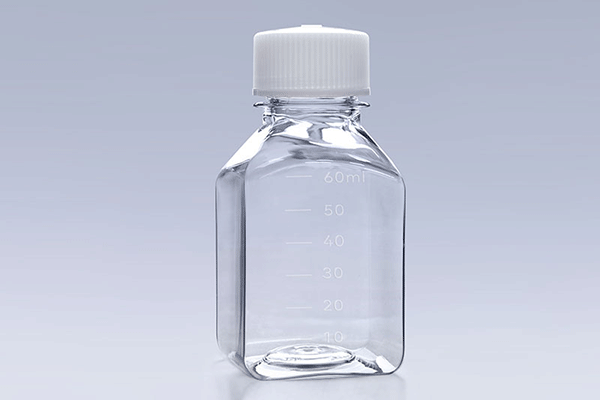
5. Work in an Appropriate Controlled Environment
The environment in which media transfer occurs can significantly influence contamination risk.
For aseptic cell culture operations, transfers are commonly performed in an appropriate biological safety cabinet or other controlled workspace according to the laboratory's established procedures.
Before transfer:
Prepare and clean the work area according to laboratory procedures
Limit unnecessary materials inside the working zone
Organize bottles and tools to avoid crossing clean and potentially contaminated areas
Minimize unnecessary movement around open containers
Good workflow organization can be just as important as the bottle itself.
6. Pay Attention to Repeated Opening and Closing
A PETG Media Bottle may be opened many times during routine laboratory use. Each opening creates another opportunity for contamination.
If a large bottle supplies media for multiple experiments, consider whether smaller aliquots would be more appropriate.
For example, instead of repeatedly opening one large container over several days or weeks, dividing the media into smaller sterile containers can help reduce repeated environmental exposure.
The appropriate strategy depends on the media formulation, storage requirements, and laboratory procedures.Different formulations may also require different container materials and storage conditions. See Media Bottle Compatibility by Solution Type for more information.
7. Check the Closure Before Returning the Bottle to Storage
After media transfer, the closure should be properly re-engaged before the bottle is returned to refrigerated, frozen, or room-temperature storage.
An improperly closed Media Bottle may increase the risk of leakage, evaporation, or environmental exposure.Learn more about how closure performance affects storage in How Seal Integrity of Media Bottles Impacts Liquid Storage Performance.
However, excessive tightening should also be avoided if it exceeds the closure system's intended operating conditions.
For laboratories using standardized procedures, defined closure handling practices can help improve consistency between operators.
8. Reduce Unnecessary Transfers
Every additional transfer step introduces another potential contamination point.
Where practical, laboratory workflows should be designed to minimize unnecessary movement of liquids between containers.
This may include:
Preparing appropriate working volumes
Using suitable bottle sizes
Reducing repeated aliquoting
Planning transfer sequences before opening containers
A range of Square Media Bottles in different capacities can help laboratories match the container size more closely to actual working volumes.
9. Consider Closed Transfer for Higher-Risk Workflows
Manual pouring and pipetting are appropriate for many laboratory applications, but some biopharmaceutical workflows require greater contamination control.
For higher-risk or larger-scale processes, closed or functionally closed liquid-transfer systems may help reduce direct environmental exposure by transferring liquids through tubing, connectors, or other controlled fluid pathways.
The choice between open and closed transfer should be based on process requirements, scale, sterility expectations, and risk assessment.
10. Train Operators and Standardize the Process
Contamination prevention cannot depend entirely on container design.
Even a high-quality PETG Media Bottle can be compromised by inconsistent handling.
Laboratories should establish clear procedures covering:
Opening and closing bottles
Aseptic handling
Transfer equipment
Working-area preparation
Storage after opening
Maximum use or hold time where applicable
Consistent operator training helps reduce variability and makes contamination control more reproducible.
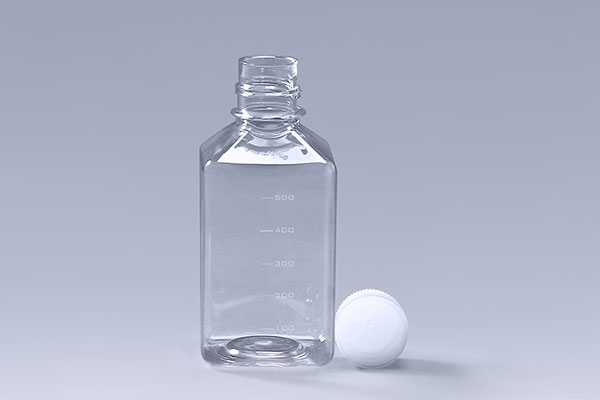
500ml Square Media Bottle PET PETG
Conclusion
Preventing contamination during media transfer requires control of the entire handling process—not simply the use of a sterile bottle.
Choosing an appropriate Media Bottle, minimizing open exposure, protecting the bottle neck and closure, using suitable transfer tools, and standardizing operator practices can all help reduce contamination risk.
For laboratories handling culture media, buffers, sera, and other sensitive solutions, properly selected PET or PETG Media Bottles—including space-efficient Square Media Bottles—can support safer storage and transfer when combined with appropriate aseptic handling procedures.










