Sterility is one of the most critical requirements in the production of cell culture flask. In life science research, biopharmaceutical production, vaccine development, and cell therapy applications, even minor contamination can compromise experimental accuracy, damage valuable cell lines, and result in significant financial loss.
As laboratories and biopharma companies demand higher standards for reliability and consistency, sterility assurance has become a key factor in evaluating cell culture flask manufacturers.
This article explores why sterility assurance matters and how high-quality manufacturers maintain strict contamination control during production.

Why Sterility Matters in Cell Culture Applications
Cell culture environments are highly sensitive to contamination. Bacteria, fungi, and mycoplasma can rapidly spread during culture processes, affecting cell viability, reproducibility, and downstream applications.
Contaminated consumables may lead to:
Failed experiments
Loss of valuable cell lines
Inconsistent research results
Increased operational costs
Production delays in biopharma workflows
For this reason, laboratories rely on sterile cell culture flask to ensure safe and stable cell growth conditions.
Key Factors in Sterility Assurance
Maintaining sterility in cell culture flask manufacturing requires strict control throughout the entire production process.
1. Cleanroom Production Environment
High-quality manufacturers use controlled cleanroom facilities to minimize airborne particles and microbial contamination.
Class C cleanroom production helps ensure:
Controlled environmental conditions
Reduced particulate contamination
Improved manufacturing consistency
Safer production for sterile consumables
Cleanroom standards are especially important for products used in sensitive cell culture applications.
2. Automated Manufacturing Processes
Automation helps reduce human contact during production, lowering the risk of contamination.
Modern automated production systems improve:
Product consistency
Process stability
Manufacturing efficiency
Sterility control
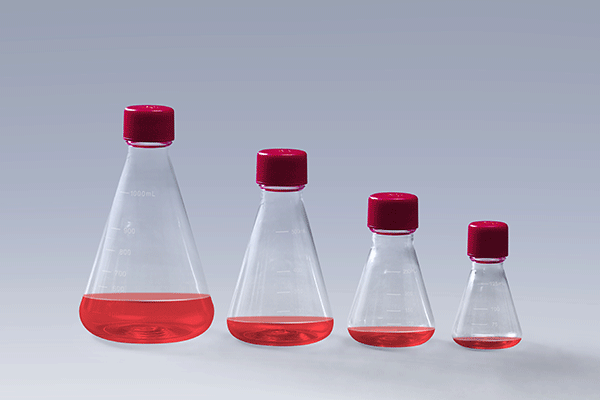
Advanced equipment also supports precise molding and reliable assembly of cell culture flasks.
3. Sterilization Validation
Reliable manufacturers perform validated sterilization procedures to ensure products meet international sterility standards.
Sterilization processes should be carefully controlled and documented to ensure:
Effective microbial elimination
Consistent sterility assurance levels
Product safety during storage and transportation
Validated sterilization is essential for laboratory and biopharmaceutical applications.
4. Leak Testing and Packaging Integrity
Even sterile products can become contaminated if packaging or sealing systems fail.
To maintain sterility, manufacturers should conduct:
Leak testing
Packaging integrity inspection
Seal performance verification
Transportation stability evaluation
Proper packaging helps protect sterile cell culture flasks throughout shipping and storage.
5. Quality Control and Batch Inspection
Strict quality control systems are necessary to maintain stable product performance.
Professional manufacturers typically perform:
Visual inspection
Dimensional testing
Surface quality verification
Batch traceability management
Sterility monitoring
Consistent inspection standards reduce quality risks and improve customer confidence.
Surface Quality Also Affects Sterility Reliability
In addition to sterility itself, flask surface quality is important for successful cell culture.
Poor surface conditions may lead to:
Uneven cell attachment
Increased contamination risk during handling
Reduced experimental reproducibility
High-quality cell culture flasks should provide smooth, uniform surfaces with consistent manufacturing quality.
International Standards for Cell Culture Flask Manufacturing
When selecting a supplier, laboratories and distributors should verify whether the manufacturer follows recognized quality systems.
Important standards may include:
ISO9001 Quality Management System
ISO13485 Certification
Controlled cleanroom manufacturing
Batch quality documentation
These standards help ensure stable and reliable product quality for global markets.
How FDCELL Ensures Sterility Assurance
At FDCELL, sterility assurance is a core part of our manufacturing process for cell culture flasks and laboratory consumables.
Our production advantages include:
Class C cleanroom manufacturing
Imported automated production equipment
Strict leak testing procedures
Comprehensive quality inspection systems
ISO9001 and ISO13485 certified management systems
Stable batch-to-batch production consistency
We are committed to providing reliable sterile consumables for laboratories, distributors, and biopharmaceutical customers worldwide.

Conclusion
Sterility assurance is essential in cell culture flask manufacturing because product contamination can directly affect research reliability, production efficiency, and laboratory safety.
By choosing manufacturers with strict cleanroom control, validated sterilization processes, and comprehensive quality systems, laboratories and distributors can significantly reduce contamination risks and improve overall workflow reliability.
As demand for high-quality cell culture consumables continues to grow, sterility assurance will remain one of the most important standards in the industry.










