Veterinary vaccine manufacturing requires more than producing a sufficient quantity of antigen. Manufacturers must also demonstrate that vaccines maintain their expected potency, stability and quality throughout production, storage and use.
Recent regulatory developments from the European Medicines Agency (EMA) highlight the importance of these requirements.
On November 6, 2026, EMA published the meeting highlights from its Committee for Veterinary Medicinal Products (CVMP), covering the November 3–5 meeting. Several veterinary vaccine discussions focused on potency testing, stability studies and supporting evidence for product shelf life.
These developments reflect an important principle in veterinary vaccine manufacturing: consistent product quality depends on both a controlled manufacturing process and reliable analytical methods.

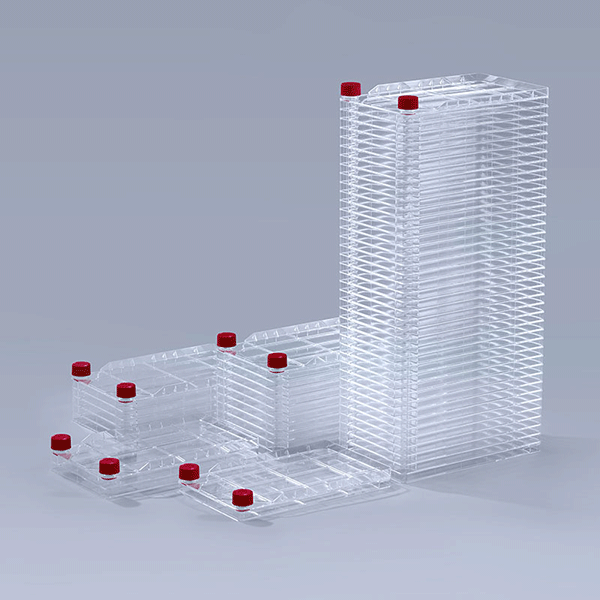
Multilayer Cell Factory
Recent EMA Updates on Veterinary Vaccine Quality
The November CVMP meeting included several vaccine-related regulatory developments.
Syvazul BTV 3 — Potency Test Development
The Committee adopted a positive opinion on a variation concerning the development of an ELISA potency test for the bluetongue virus type 3 antigen. The variation also addressed the duration of immunity in sheep.
This highlights the importance of establishing suitable analytical methods to evaluate vaccine potency.
Hepizovac — Stability Studies
For Hepizovac, an inactivated epizootic haemorrhagic disease vaccine, the CVMP adopted a positive opinion on a variation addressing stability studies extending to 21 months. These studies support the accepted finished-product shelf life of 18 months under recommended storage conditions.
The case illustrates the role of stability data in supporting vaccine shelf-life claims.
Orbyk EHD — Potency Validation and In-Use Stability
For Orbyk EHD, a recombinant protein vaccine against epizootic haemorrhagic disease, the Committee adopted a positive opinion on a variation addressing the complete validation report for the finished-product potency test.
The variation also concerned potency data supporting an in-use shelf life of 10 hours.
These examples demonstrate how potency testing and stability evaluation remain important throughout the regulatory lifecycle of veterinary vaccines.
Avian Influenza Vaccines Remain an Important Regulatory Focus
The November meeting also included reviews of two avian influenza vaccines: Vaxxinact H5 and Vaxxitek HVT+IBD+H5.
Following evaluation of submitted data, the CVMP recommended extending the validity of their marketing authorisations under exceptional circumstances for one year.
Vaxxitek HVT+IBD+H5 is particularly relevant to discussions about recombinant viral vector vaccines, an important technology in modern veterinary vaccine development.
However, these recommendations concern the continued validity of existing marketing authorisations. They should not be interpreted as new product approvals or evidence of changes to the vaccines' manufacturing processes.
Why Potency Testing Matters in Veterinary Vaccine Manufacturing
Vaccine potency testing helps manufacturers assess whether a product meets defined biological activity requirements.
Depending on the vaccine platform, potency evaluation may involve immunological assays, antigen quantification or other validated analytical methods.
The appropriate testing strategy depends on the nature of the vaccine and its mechanism of action.
For inactivated and recombinant protein vaccines, suitable analytical methods are particularly important because manufacturing and formulation changes may influence measurable product characteristics.
Reliable potency testing supports several manufacturing activities:
Finished-product quality control
Batch release testing
Stability evaluation
Manufacturing process monitoring
Comparability assessment following relevant process changes
A robust analytical strategy helps manufacturers generate consistent evidence that the product meets its established quality requirements.For a related perspective on process-related impurities in cell-based vaccine production, read our article on Host Cell Protein Control in Vero Cell-Derived Vaccines.
Stability Studies Support Vaccine Quality Throughout Shelf Life
Vaccine stability is another important consideration.
A vaccine must maintain acceptable quality under its specified storage conditions throughout its approved shelf life.
Depending on the product, stability studies may evaluate potency, physical characteristics, chemical properties and other relevant quality attributes.
The EMA discussions concerning Hepizovac and Orbyk EHD illustrate two different aspects of stability evaluation.
For Hepizovac, the focus included data supporting the finished product's shelf life.
For Orbyk EHD, potency data were relevant to supporting the period during which the product may be used after preparation or opening, according to its authorised conditions.
These are distinct requirements, but both demonstrate the importance of scientifically justified stability claims.
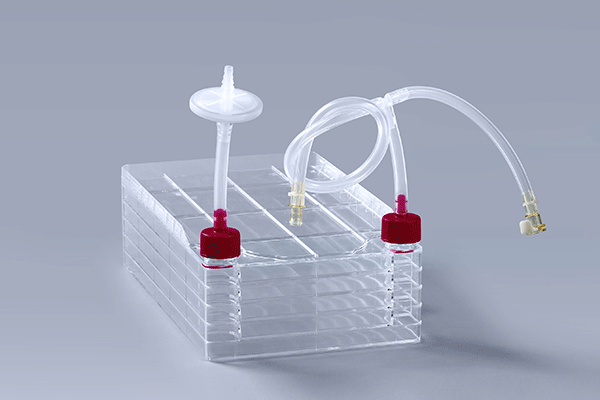
Closed System Cell Factory

The Connection Between Cell Culture and Vaccine Manufacturing Consistency
For veterinary vaccines manufactured using cell-based production systems, upstream cell culture is an important part of the manufacturing process.
Depending on the vaccine platform, cells may be used for virus propagation, antigen production or other biological manufacturing steps.
A simplified cell-based vaccine production workflow may include:
Cell Bank → Cell Expansion → Virus Production → Harvest → Purification → Formulation → Quality Control
Maintaining consistent cell culture conditions is important for supporting predictable upstream performance.
Factors such as cell viability, growth characteristics, culture conditions, infection parameters and harvest timing may influence manufacturing outcomes.
However, upstream cell culture consistency does not replace potency testing or stability evaluation.
These activities serve different but complementary purposes within the overall vaccine quality control strategy.
Scale-Up and Batch Consistency
As veterinary vaccine production moves from development to larger manufacturing scales, maintaining consistent process performance becomes increasingly important.
Manufacturers may need to evaluate changes in:
Cell growth and viability
Culture conditions and nutrient availability
Virus propagation or antigen production
Harvest timing and procedures
Raw material consistency
Process transfer and handling
Analytical testing and batch release
A process that performs well at laboratory scale may require further optimisation and validation before it can reliably support routine manufacturing.
This is particularly relevant for vaccine manufacturers using cell-based production platforms, where upstream process performance and downstream product quality must be considered together.
Controlled Material Transfer and Manufacturing Operations
In cell-based vaccine manufacturing, cells, media and process fluids may need to be transferred between different stages.
As manufacturing scale increases, repeated manual handling can add operational complexity.
Single-use technologies and closed fluid-transfer strategies can support more controlled material movement between appropriate process steps.
These systems may help reduce unnecessary open handling and improve operational consistency.
However, closed processing should not be considered a substitute for validated potency methods, stability studies or other established quality controls.
Instead, it forms part of a broader approach to designing controlled and reproducible manufacturing workflows.

Cell Culture Roller Bottle
Building Quality into Veterinary Vaccine Manufacturing
The November 2026 EMA CVMP meeting highlights demonstrate that veterinary vaccine quality evaluation extends beyond initial product development and authorisation.
Potency methods, stability data and supporting analytical evidence remain relevant throughout the product lifecycle.
For veterinary vaccine manufacturers, these developments reinforce the importance of connecting:
Upstream Manufacturing → Process Consistency → Analytical Control → Stability Evaluation → Product Quality
As vaccine technologies continue to evolve, including recombinant protein and viral vector platforms, manufacturers will need to maintain robust production processes supported by appropriate quality control strategies.
Ultimately, reliable veterinary vaccine manufacturing depends not only on producing the required antigen, but also on demonstrating that each batch meets established quality requirements throughout its intended shelf life.
Source: European Medicines Agency (EMA), Meeting highlights from the Committee for Veterinary Medicinal Products (CVMP) 3–5 November 2026, published November 6, 2026.