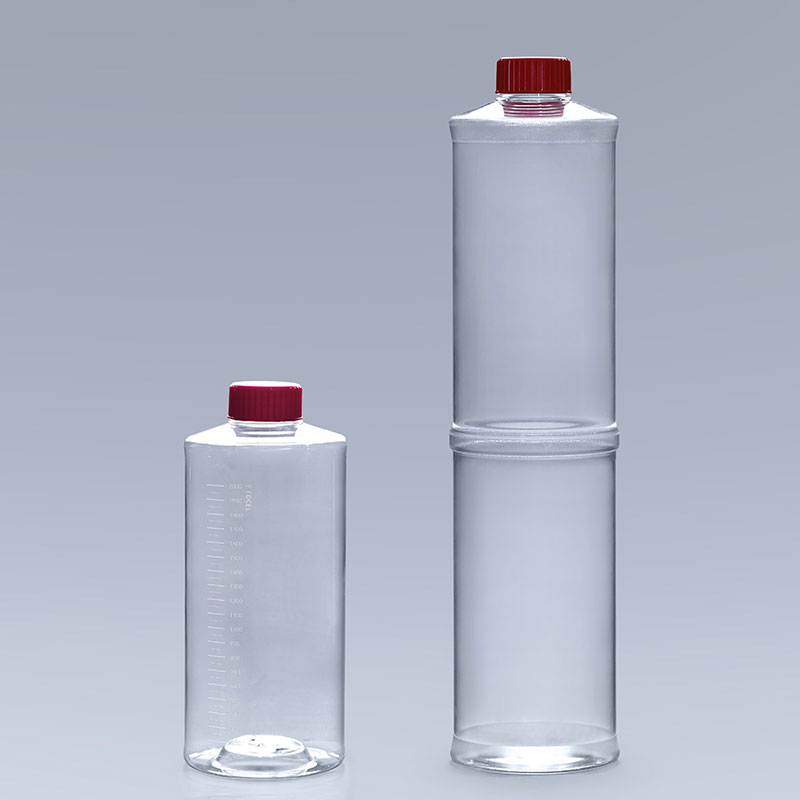
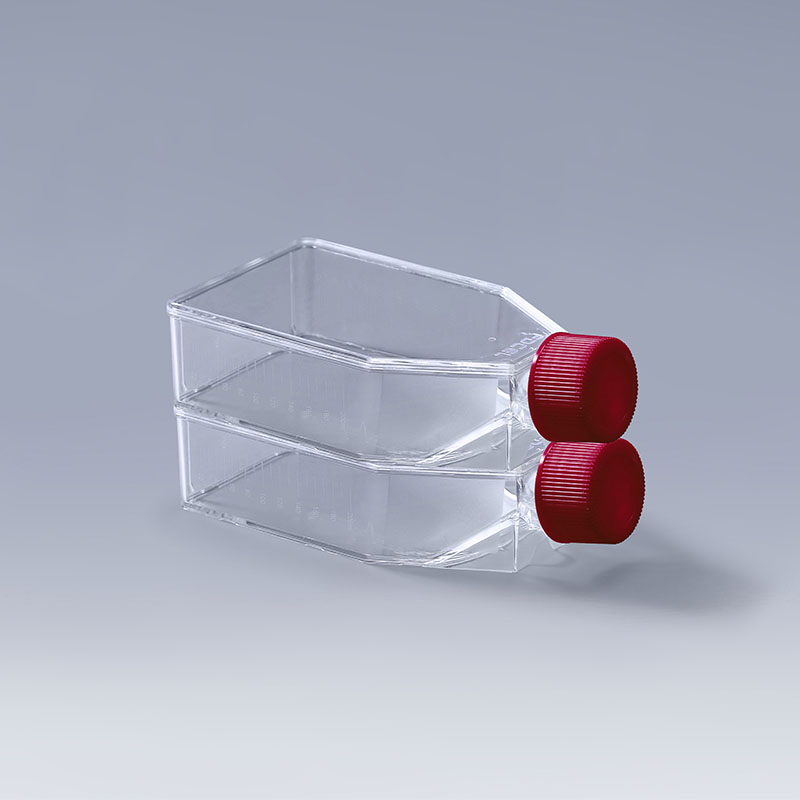
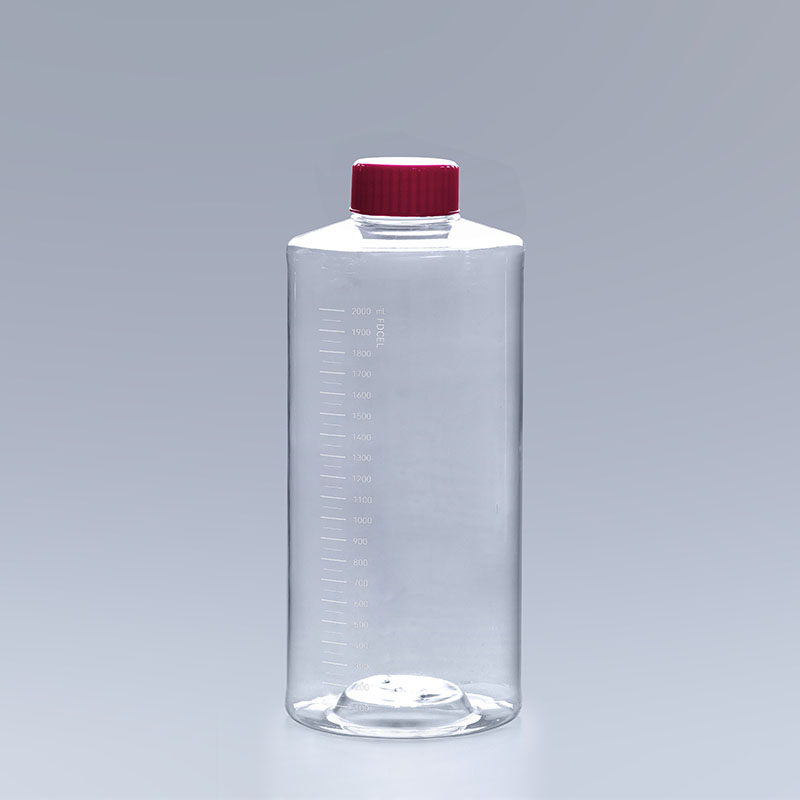
A multilayer Cell Factory provides a large growth surface for adherent cell expansion, but increasing culture area does not always result in a proportional increase in cell yield.
In biopharmaceutical research, vaccine production, and other large-scale cell culture applications, low cell yield may occur even when the expected culture area is available.
The causes can arise at different stages, from cell seeding and attachment to culture conditions and final harvesting.
Understanding where cell loss occurs is the first step toward improving Cell Factory culture performance.
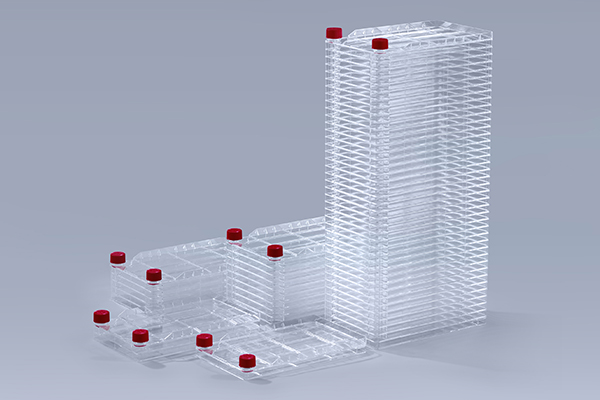
Cell Factory manufacturer
1. Inappropriate Seeding Density
Seeding density is one of the first factors to examine when cell yield is lower than expected.
If too few viable cells are introduced, the culture may require more time to reach the desired confluence. Excessively high seeding density, on the other hand, may lead to early nutrient depletion or growth limitations.
When transferring cells from T-flasks to a Cell Factory system, seeding density should be calculated according to the available growth area rather than simply increasing the total cell number.
What to check:
Initial viable cell count
Seeding density per cm²
Cell viability before inoculation
Cell growth rate and expected harvest time
2. Uneven Cell Attachment
Poor or uneven cell attachment can reduce the effective culture area, resulting in lower overall cell yield.
In a multilayer Cell Factory, the cell suspension must be distributed across several growth surfaces. Uneven filling, cell settling during transfer, trapped air bubbles, or excessive movement after seeding may contribute to irregular attachment.
As a result, some areas may reach high confluence while others remain sparsely populated.
Maintaining consistent filling procedures and allowing appropriate attachment time can help improve culture uniformity.
For additional troubleshooting information, see Avoiding Uneven Cell Attachment in Multilayer Cell Factories.
3. Suboptimal Culture Conditions
Even when cells attach successfully, unsuitable culture conditions may limit further growth.
Factors such as medium composition, nutrient availability, pH, temperature, gas exchange, and culture duration can influence cell expansion.
During scale-up, maintaining a suitable medium volume relative to the growth area is particularly important. Conditions optimized for a T175 flask may require adjustment when transferred to a 10-layer or 40-layer Cell Factory.
Monitoring cell morphology, confluence, and medium condition during cultivation can help identify growth limitations before harvesting.
4. Inconsistent Culture Surface Properties
The culture surface can also influence cell attachment and subsequent growth.
For TC-treated Cell Factory products, surface treatment improves wettability and supports adherent cell attachment. However, consistency across different culture areas and layers is important.
Surface flatness and treatment uniformity may influence liquid distribution and attachment behavior.
Manufacturers can use contact angle measurement to evaluate surface wettability and treatment consistency, although this measurement alone cannot predict cell growth performance.
For more information, read How to Evaluate Cell Factory Surface Consistency.
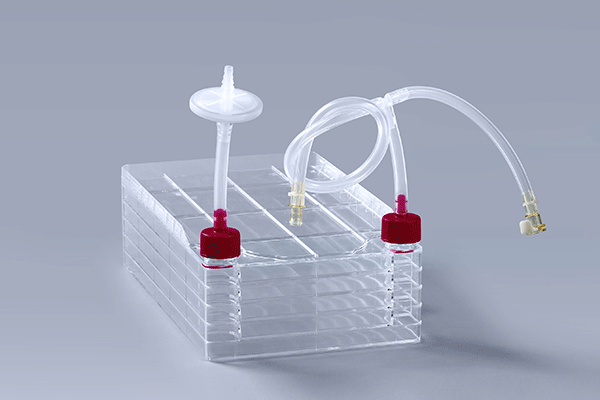
Closed System Cell Factory
5. Incomplete Cell Harvesting
Sometimes, low cell yield is not caused by poor growth but by inefficient cell recovery.
Cells may grow normally inside the Cell Factory, yet a portion remains attached after harvesting.
Possible causes include:
Insufficient washing
Incomplete cell detachment
Uneven distribution of dissociation reagents
Cell loss during liquid transfer
Reduced viability during harvesting
For large-scale adherent cell culture, harvesting procedures should be optimized according to cell type and vessel configuration.
Comparing cell confluence before harvesting with the recovered viable cell count can help determine whether the main problem occurs during culture or cell collection.
More practical considerations are covered in Best Practices for Cell Harvesting from Cell Factory Systems.
6. Inconsistent Procedures During Scale-Up
A process that performs well in a small culture vessel may not produce identical results when scaled up.
Changes in filling time, cell suspension mixing, medium distribution, incubation handling, and harvesting procedures can introduce additional variability.
For this reason, Cell Factory scale-up should include standardized operating procedures and consistent monitoring of key culture parameters.
When investigating low cell yield, it is useful to compare results across different batches and culture scales under controlled conditions.
How to Identify the Main Cause of Low Cell Yield
Rather than adjusting multiple factors simultaneously, start by identifying the stage where the problem occurs.
Poor attachment after seeding: Check cell viability, seeding density, liquid distribution, and surface conditions.
Slow growth during cultivation: Review medium conditions, cell morphology, incubation parameters, and nutrient availability.
Good confluence but low recovery: Investigate cell detachment, harvesting procedures, and transfer losses.
Variable results between batches: Compare cell preparation, operating records, and consumable consistency.
Evaluating viable cell yield relative to culture area, together with attachment and harvesting observations, can provide a clearer picture of actual culture performance.
Conclusion
Low cell yield in Cell Factory culture is rarely explained by culture area alone.
Seeding density, attachment efficiency, culture conditions, surface consistency, and harvesting performance all contribute to the final result.
By identifying the stage responsible for reduced yield and standardizing critical operating procedures, cell culture teams can improve consistency during scale-up.
FDCELL provides 1-, 2-, 5-, 10-, and 40-layer Cell Factory products, including TC-treated culture vessels and optional tubing assemblies for different cell culture applications.